8 Key Benefits of Concrete Driveways

Advantages of Concrete Driveways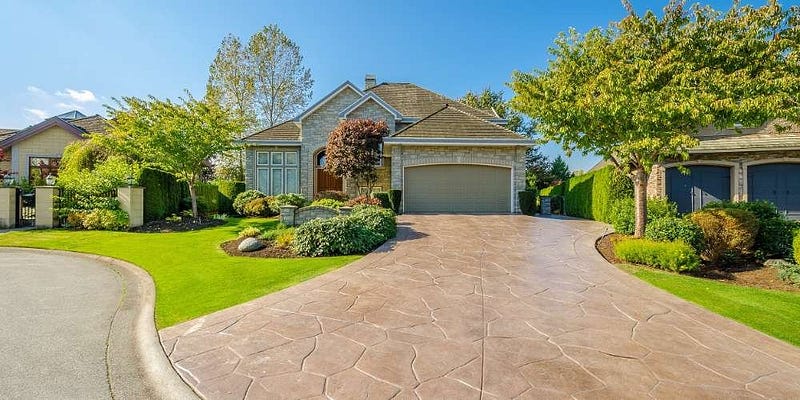
Before you contact a contractor about installing a concrete driveway, you should explore the benefits of concrete driveways and see if this option would offer enough functionality, value, and visual appeal.
Economical to Install
The installation cost of concrete driveways ranges from $8 to $18 per square foot, depending on the design, color, and finish. By customizing the design, you can achieve a similar look and texture to pavers at a lower cost. Additionally, concrete driveways offer long-term savings compared to asphalt. Asphalt driveways often require resurfacing every 5–7 years, which can be a significant expense. In contrast, concrete driveways are durable and require minimal maintenance, making them a cost-effective choice.
Environmentally Friendly
If you’re looking for an eco-friendly choice, a concrete driveway is the best option. It requires significantly less energy to install than asphalt, which must be heated and mixed. Concrete, on the other hand, simply needs to be mixed with water. Additionally, concrete is made from renewable materials like sand, rock, and water, and it’s also recyclable. You can even demolish an old concrete driveway and reuse the material to create a new one.
Concrete is one of the most environmentally friendly driveway materials:
- Made from abundant natural materials: water, rock, sand, and cement
- Requires less energy to install than asphalt (no need to heat materials)
- Contains no petroleum products
- Fully recyclable at end-of-life — crushed concrete can be used for road base or new construction
Excellent Temperature Control
Another benefit of a concrete driveway is a heating system. If you live in a cold climate, consider adding a heating element, power source, sensors, and controller during installation or retrofitting your existing driveway. This investment reduces the damage caused by de-icing and eliminates the hassle of shoveling snow and ice, providing year-round easy access to your property.
Snow and Ice Removal Is Easier
Even without a built-in heating system, concrete driveways make snow and ice removal more manageable:
- Concrete’s smooth surface allows for faster shoveling or snow blowing.
- Its light color retains less heat during the day but still allows faster melting compared to darker asphalt.
- Heated driveway systems (electric or hydronic) can be added during installation for a truly hands-free winter.
Easy to Maintain
Concrete driveways require minimal maintenance when properly cared for. Regularly clean your driveway to remove dirt, debris, and other contaminants. A power washer or pressurized hose nozzle can be used to rinse the surface, followed by a hard-bristle broom to sweep away any remaining debris. To further protect your driveway, consider hiring a concrete driveway contractor to apply a sealant annually. Sealing your concrete driveway can extend its lifespan by protecting it from the elements and preventing premature deterioration.
Variety of Customization Options
Concrete driveways offer a wide range of design options to enhance your home’s curb appeal. No longer are you limited to a plain gray surface. You can choose from stamped designs, exposed aggregate finishes, and stains to complement your home’s color palette. Many contractors have portfolios of previous projects to inspire your design choices.
Decorative Concrete Options to Elevate Your Curb Appeal
Concrete is no longer just gray and boring. Modern finishing techniques let you completely customize the appearance of your driveway:
Stamped Concrete — Mimics stone, brick, or tile. Great for high-end curb appeal. May require resealing every 2–3 years.
- Exposed Aggregate — Decorative stone is revealed on the surface for a textured look. Excellent for traction.
- Colored Concrete — Integral or surface staining adds earthy tones or bold color.
- Concrete Paver Look — Cut patterns into the surface to replicate pavers at a fraction of the cost.
Tip: While decorative finishes look great, some may require slightly more maintenance (like sealing or cleaning textured areas).


Comments
Post a Comment